
Mastermind group costs can range from free to more than $100,000 a year. But price alone tells you very little about whether a room is worth joining.
A $5,000 community can be expensive if you never build meaningful relationships inside it. A $50,000 community can be inexpensive if one relationship, avoided mistake, or opportunity changes the trajectory of your business.
The better question is not simply, “What does a mastermind cost?” It is, “What kind of room am I paying to become part of, and how long am I willing to invest in becoming part of it?”
Below, we break down what each tier of mastermind group costs, what that money actually buys, and how to judge whether a mastermind is worth it before you commit.
The Short Answer: Four Price Tiers
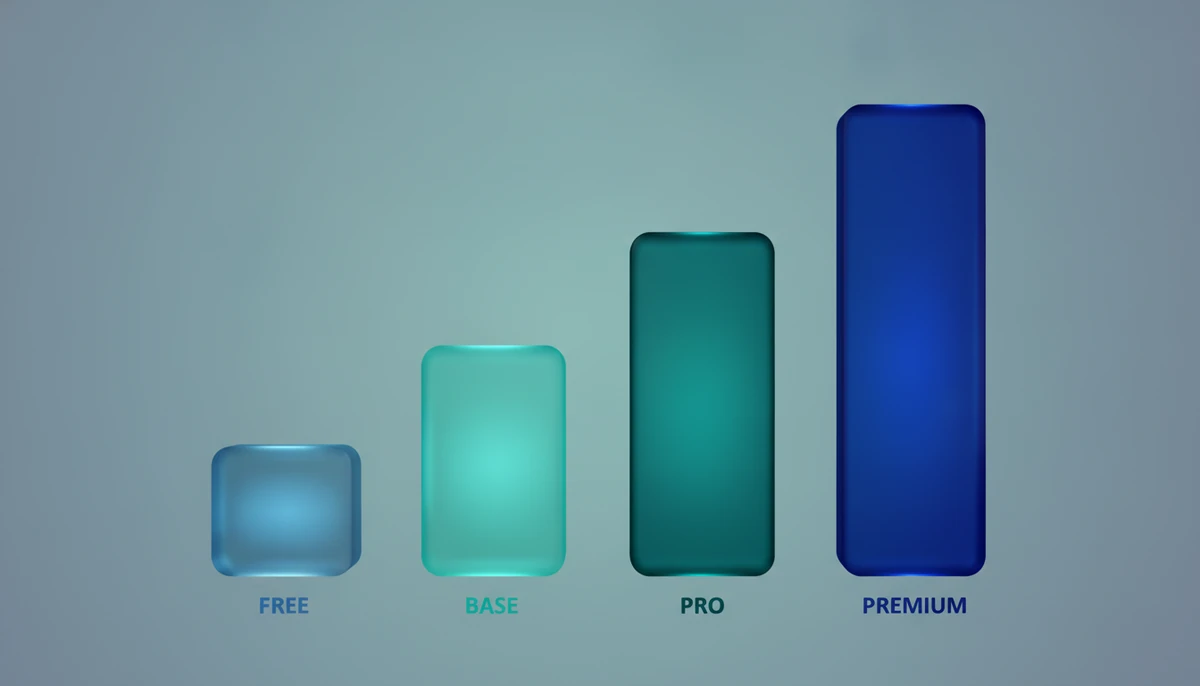
Mastermind pricing sorts cleanly into four tiers. Here is the quick version:
- Free and low-cost peer circles: free to about $1,000 a year
- Online membership communities: roughly $500 to $3,000 a year
- CEO peer advisory boards: roughly $5,000 to $25,000 a year, plus initiation fees
- Curated founder masterminds: roughly $25,000 to $100,000 or more a year
As the price rises, you should not simply expect more content. You should expect a stronger filter on who gets in, more intentional curation, deeper access, and a higher level of responsibility from the members themselves.
At the top end, you are not really paying for information. Most established founders can find information anywhere. You are paying for proximity, context, trust, and access to people who can help you see around corners.
The rest of this page explains what separates one tier from the next, and why two rooms at the same price can deliver wildly different value.
Free and Low-Cost Peer Circles
At the entry level are self-organized peer pods and low-cost community circles. A group of three or four founders who meet on a regular call costs nothing but time. Paid community pods and squads usually run from a few dollars a month up to around $1,000 a year. You get camaraderie and light accountability, but rarely deep vetting, curation, or high-caliber peers. For an early-stage founder building the habit of accountability, that can be exactly enough.
Online Membership Communities
The next tier up is online membership communities: larger, mostly digital networks that pair a member forum with content, events, and sometimes small breakout groups. These typically cost between $500 and $3,000 a year, though hybrid communities that add in-person core groups can run higher. You are paying for reach and access to a big pool of peers, which is valuable, but the depth of any single relationship depends on how much you put in.
CEO Peer Advisory Boards
Chair-led peer advisory boards are the established middle of the market. Well-known examples include Vistage, EO, and YPO. These run roughly $5,000 to $25,000 a year depending on the organization and your level, usually with a one-time initiation fee on top. Vistage sits around $16,500 a year plus initiation, EO tends to land in the $4,000 to $7,000 all-in range, and YPO climbs higher once dues and initiation stack. For that, you get structured monthly meetings, a professional chair or facilitator, guest speakers, and a local community of fellow executives.
Curated Founder Masterminds
At the top are curated, application-only founder masterminds. These typically cost $25,000 to $100,000 or more a year. The number sounds steep until you see what drives it: rigorous vetting, a small room of genuinely high-caliber peers, direct access to experts and operators who have already solved your problems, and a level of curation that the lower tiers simply do not offer. This tier is built for seven, eight, and nine-figure founders whose bottleneck is no longer information but the right room.
Price Tier Comparison
Here is how the four tiers compare at a glance:
|
Tier |
Typical annual cost |
What you are paying for |
Best for |
|
Free and low-cost peer circles |
Free to ~$1,000 |
A supportive circle and light accountability |
Early-stage founders building the habit |
|
Online membership communities |
~$500 to $3,000 |
Reach, content, and a large digital network |
Growth-stage founders who want community |
|
CEO peer advisory boards |
~$5,000 to $25,000 plus initiation |
Chair-led meetings, structure, and speakers |
Established CEOs wanting facilitated accountability |
|
Curated founder masterminds |
~$25,000 to $100,000+ |
Vetting, high-caliber peers, expert access, curation |
Seven to nine-figure founders wanting depth |
What You Are Actually Paying For
Price does not track prestige; it tracks the filter on the door. Three things drive what a mastermind group costs: who curates the seats, who enforces the room, and what access rides along with membership. A cheap room with no vetting is really just networking with a nicer name. An expensive room earns its price when the people beside you are operating at or above your level, the format actually holds you accountable, and the membership opens doors, to experts, to introductions, to answers, that you could not buy separately. When you evaluate a mastermind group cost, you are really pricing the caliber of the people and the strength of the curation, not the venue.
But curation only gets the right people into the room. It does not create the relationship for you.
The real value begins when those people get enough exposure to one another to build trust. They learn how you think, what you are good at, whether you follow through, and who they would feel comfortable introducing you to.
That is why the best communities tend to become more valuable over time. The room gets you access. The relationships create the return.
Think About a Mastermind as a Three-Year Investment
If you are going to join a mastermind, Four Rooms or any other community, it is worth approaching it with a longer time horizon than a single event or membership year.
Year one is often about getting your feet wet. You are learning the room, meeting people, understanding what they do, and helping them understand what you do. Some of those early interactions can naturally feel transactional because the relationships are still new.
By year two, trust starts to deepen. People have seen how you operate. They know whether you follow through. They understand where you add value, and they become more comfortable making introductions or putting their reputation behind a referral.
By year three, the relationships can really begin to compound. You are no longer just someone who attends the group. You are part of the fabric of the community. Opportunities, referrals, partnerships, friendships, and conversations happen with significantly more context and trust behind them.
This is why constantly jumping from one community to another can carry a hidden cost: you keep restarting the relationship clock.
How to Judge Return Before You Commit
The real question is not simply whether you can earn your membership fee back. It is whether this is a room worth investing your time, trust, reputation, and relationships into.
Financial ROI matters. One introduction, avoided mistake, or strategy may genuinely pay for the investment several times over. But the founders who tend to get the most from strong communities do not walk in asking, “What can I get from everyone here?”
They ask:
Who can I help? Who should I know? Who can I connect? Where can I contribute?
Ironically, the people who approach a community with service rather than extraction often create the strongest long-term returns.
- Are these people I would genuinely want to build relationships with over the next several years?
- Are the other members operating at a level that will challenge and expand me?
- Does the community reward contribution, generosity, and collaboration, or does it feel transactional?
- Is the organization actively creating meaningful introductions and connections, or am I largely left to network on my own?
- Will I have access to people who have already solved problems I am currently facing?
- Can I see myself contributing meaningful value to this room, not just extracting value from it?
- Is this a community that could become more valuable to me as trust and relationships compound over time?
That last question is where value gets real. In one Four Rooms member survey, 75 percent of attendees said a single event was worth more than $100,000 to their business, and members have reported adding tens of thousands in new revenue from a single strategy picked up in the room. Individual results vary, but the pattern is a useful reminder: for the right founder, the return can dwarf the cost of the right mastermind.
Where Four Rooms Sits
Four Rooms sits in the curated founder mastermind category, but our philosophy is that simply putting accomplished people in the same room is not enough.
We intentionally curate the people, introductions, experts, conversations, and experiences around what members are actually navigating in their businesses and lives.
The Four Rooms framework is built around health, wealth, relationships, and scale, but we do not expect members to have every area of life perfectly balanced. That is unrealistic.
Different seasons will require more attention in different places. The goal is not perfect balance across all four rooms. The goal is making sure none of them gets ignored for so long that success in one starts costing you another.
The same philosophy applies to community. We believe in relationships over transactions. Members who stay engaged, contribute generously, support other founders, and allow trust to compound tend to experience a very different kind of value than someone simply looking for the fastest deal in the room.
You can see how members describe that experience on our testimonials page, including the relationships, introductions, business outcomes, and personal growth they have experienced through the community.
Frequently Asked Questions
How much does a mastermind group cost?
Mastermind group cost ranges from free to more than $100,000 a year. Free and low-cost peer circles run up to about $1,000, online communities roughly $500 to $3,000, CEO peer advisory boards around $5,000 to $25,000 plus initiation, and curated founder masterminds $25,000 to $100,000 or more.
Are masterminds worth it?
A mastermind is worth it when the value it creates outweighs the price. One introduction, one avoided mistake, or one strategy can pay for a year several times over. The deciding factor is fit: the caliber of the peers and the strength of the curation matter far more than the sticker price.
Why are some masterminds so expensive?
You are paying for the filter on the door. Higher-priced rooms invest heavily in vetting members, enforcing an accountable format, and providing access to experts and introductions. That curation, not the venue, is what drives the cost.
What affects the price of a mastermind?
Three things: who curates the seats, how the room is facilitated and held accountable, and what access comes with membership. Group size, format, the host’s network, and included events and coaching all factor in as well.
Does a more expensive mastermind guarantee better results?
No. Price signals the level of curation, but fit determines your return. A well-matched room at a moderate price can outperform an elite room that is wrong for your stage. Evaluate the members and the format rather than the fee alone.
Choose a Room Worth Staying In
When evaluating mastermind groups for entrepreneurs, do not only ask what you will receive in the first 30, 60, or 90 days.
Ask whether these are people you would want to know three years from now.
Ask whether this is a community where you can contribute as much as you receive.
Ask whether the room will still challenge you as your business, leadership, relationships, and ambitions evolve.
Because the strongest mastermind communities are not simply something you purchase access to.
They are something you become part of.
And when you choose the right one, the relationships you build inside it can become more valuable the longer you stay.